46-year-old Kristen Walenga was making breakfast when her heart stopped. Her 15-year-old son immediately became a hero and saved his mother.
Libby Ridenhour tells the moving story of Walenga who had a heart attack right in front of her 9-year-old, 11-year-old, 14-year-old, and 15-year-old children here [Walenga tells her own story above].
Swimming and CPR (or cardiopulmonary resuscitation) are two skills that can not only save your own life, but also the lives of others.
For open water swimmers who are involved in open water events or channel crossings or helping on an escort boat or serving as a second in an ice swimming event, knowing and being able to use Hands-Only CPR is an essential tool. Swimmers may be called upon to do Hands-Only CPR in any number of unexpected locations at any number of unforeseen times.
Cardiac arrest is a leading cause of death throughout the world and according to the data compiled by the open water swimming community between 2000 and 2009, also the leading cause of death of swimmers during or immediately after an open water swim.
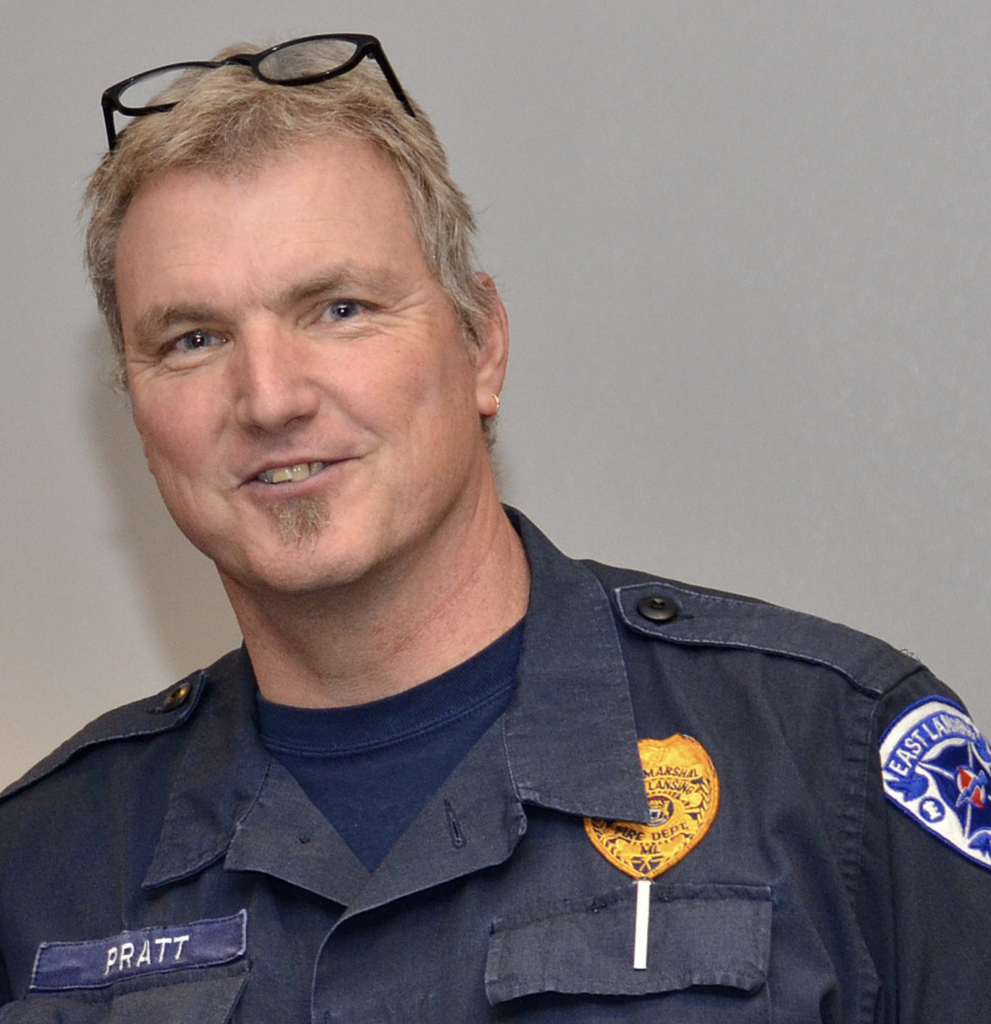
Bob Pratt, a retired firefighter, licensed paramedic, lifeguard instructor, and nationally recognized water safety advocate, advises with years of experience, “The treatment for a cardiac arrest on land is indeed, Hands-Only CPR. However, the cause of cardiac arrest in a drowning is very different and requires a different treatment. Compression Only or Hands-Only CPR is not effective for drowning victims. Drowning is a process of experiencing respiratory impairment from submersion or immersion in a liquid. The primary effect is a lack of oxygen. If a drowning victim is in cardiac arrest, it is due to a lack of oxygen. The drowning process will continue until oxygen is restored to the body. Hands-Only CPR does not add oxygen to the system. In a heart attack like Ms. Walenga suffered, there is still oxygen in the system. Moving that oxygen around keeps the heart (and brain oxygenated) until emergency medical services arrives.
Resuscitation for drowning victims should begin with 2-5 rescue breaths, then alternate 30 compressions with 2 breaths [see here]. Drowning is a respiratory emergency. Cardiac arrest in a drowning is caused by a lack of oxygen. Until oxygen is provided to the lungs (heart and brain) the drowning will continue. With no oxygen in the system; compression-only CPR moves non-oxygenated blood to the vital organs. Only after rescue breaths replace the oxygen in the system will compressions be of benefit. This is vital information for aquatic professionals and anyone who participates in aquatic recreation.“
The American Heart Association reports that currently, 90% of people who experience cardiac arrest outside of a hospital die, in part because they do not receive CPR more than half of the time. CPR, especially if performed immediately, can double or triple a person’s chance of survival – a fact that the-then 17-year-old Skyler Munatones knows very well [who saved his father 10 years ago, shown below together].

Transformation to Lifesavers
The American Heart Association has a goal of doubling survival from cardiac arrest by 2030. By applying CPR and defibrillation, the the Nation of Lifesavers initiative can transform reluctant bystanders into active lifesavers, so when a cardiac emergency occurs, anyone anywhere is can become a hero and be that essential link in the chain of survival.
However, there are always concerns about legal liability and the inability to properly do CPR. In fact, 70% of adults in the United States said they were not confident that they could respond with CPR in a cardiac emergency. But CPR is a lifesaving skill that most people can learn and perform correctly, even under the most trying situations.
Lending A Hand
Sadly, 90% of people who experience cardiac arrest outside of a hospital end up dying, in part because they do not receive CPR more than 50% of the time. But when CPR is performed, especially when performed immediately, this heroic act can double or triple a person’s chance of survival.
The American Heart Association reports, “This National CPR and AED Awareness Week spotlights how lives can be saved if more people living in the U.S. know the lifesaving skill of CPR and how to use an AED. Did you know about 70% of out-of-hospital cardiac arrests happen in homes? If you are called on to give CPR in an emergency, you most likely will be trying to save the life of someone you love. Be the difference for your parent, spouse or child.”
For more information, visit www.heart.org.
© 2026 Daily News of Open Water Swimming
“to educate, enthuse, and entertain all those who venture beyond the shoreline“
World Open Water Swimming Federation, an exclusively human-powered project