Shane Parrish of The Knowledge Project shared this profound reflection by 85-year-old Nadine Stair of Louisville, Kentucky:
“IF I HAD MY LIFE TO LIVE OVER,
I’d like to make more mistakes next time. I’d relax. I would limber up. I would be sillier than I have been this trip. I would take fewer things seriously. I would take more chances. I would climb more mountains and swim more rivers. I would eat more ice cream and less beans. I would perhaps have more actual troubles, but I’d have fewer imaginary ones.
You see, I’m one of those people who live sensibly and sanely hour after hour, day after day. Oh, I’ve had my moments, and if I had it to do over again, I’d have more of them. In fact, I’d try to have nothing else. Just moments, one after another, instead of living so many years ahead of each day.
I’ve been one of those persons who never goes anywhere without a thermometer, a hot water bottle, a raincoat, and a parachute. If I had to do it again, I would travel lighter than I have.
If I had my life to live over, I would start barefoot earlier in the spring and stay that way later in the fall. I would go to more dances. I would ride more merry-go-rounds. I would pick more daisies.”
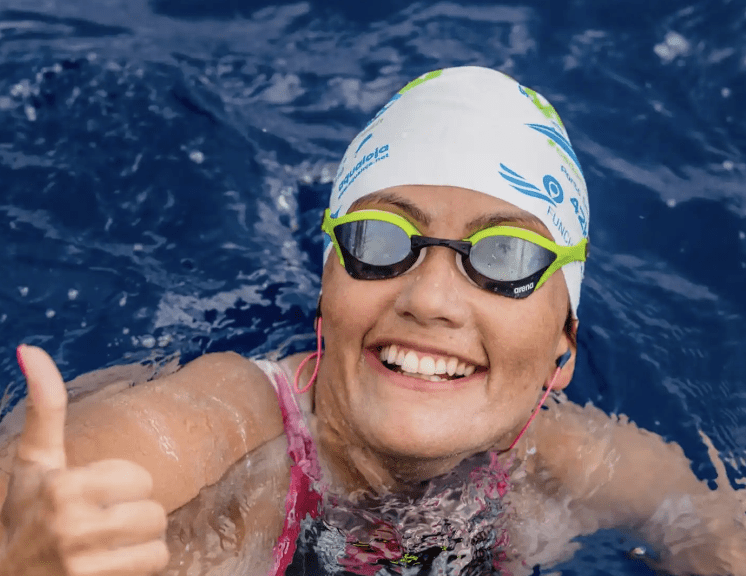
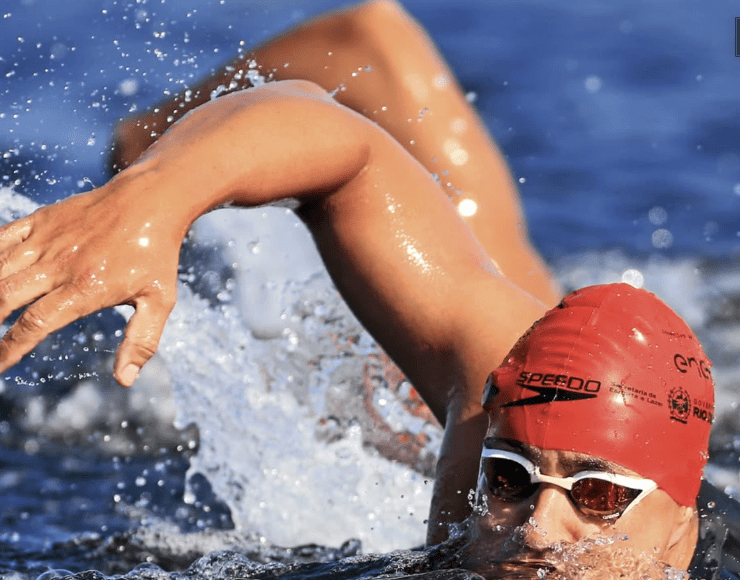
Open water swimmers can most definitely identify with Stair’s lifelong reflections and wishes. Many swimmers – especially as they age gracefully – take up their own long-held dreams or sudden desires to do an ice swim, go on a swim holiday, try a stage swim, enter a race, participate in a relay, go for a marathon swim or train for a channel crossing, volunteer as an escort kayaker or support crew.
They see others – friends, family, or people who they do not know – celebrating their swims and achievements on social media platforms from Facebook to Instagram. Swimmers of all ages, abilities, and backgrounds provide the stimulus and governing bodies and local race directors provide the opportunities. It is a great time to take up your own challenge – whatever the distance, difficulty, or water temperature.
New Open Water Swimming Educational and Motivational Course
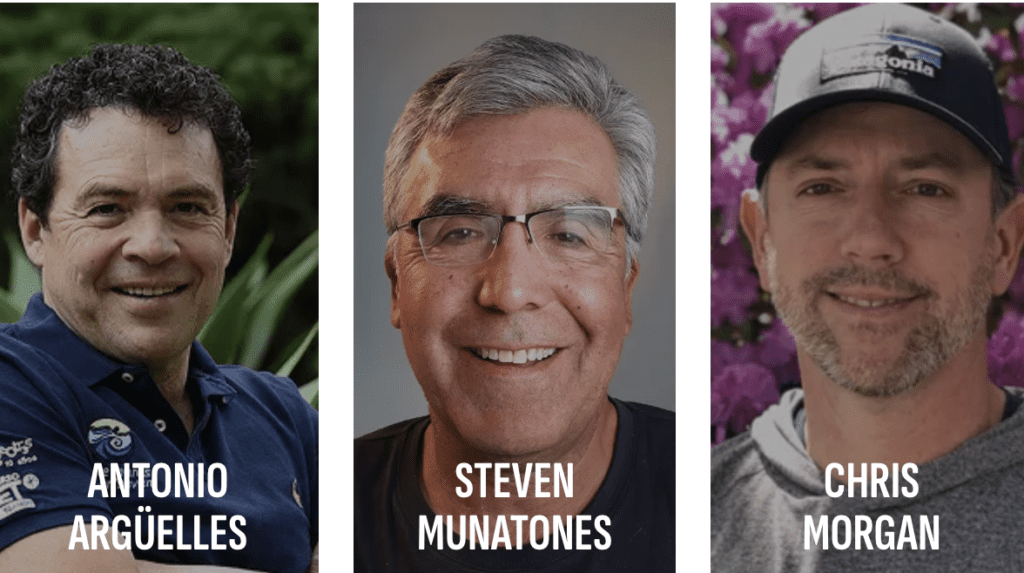
The World Open Water Swimming Federation (WOWSF) was founded in 2024 by Steven Munatones and Antonio Argüelles to provide a broad range of resources supporting the global growth and promotion of all forms of open water swimming, while recognizing exceptional solo and relay swims in the Daily News of Open Water Swimming.
In cooperation with ToSwim, WOWSF provides new and significantly expanded next-generation content based on Munatones’ older and more limited WOWSA and 10kswim.com educational platforms.
The 20-hour course presents a comprehensive overview of the global community of open water swimming. The course offers lessons to learn about Olympic and professional marathon swimming, stage swimming, ice swimming, channel swimming, and the creation of your own aquatic adventures.
This course is built upon the first-hand experiences, observations, coaching, and organizing open water events that span the Americas, Europe, Asia, Africa, and Oceania by International Marathon Swimming Hall of Famers Steven Munatones and Antonio Argüelles, and Olympic coach Chris Morgan from the 1980s to the present.
Munatones explains, “We developed this program to educate and inspire people of all ages, abilities, and backgrounds to venture beyond the shores. We want to entertain and encourage you to share the wonderful opportunities and places to swim around the world. We cover all aspects of the sport of open water swimming — from Olympic swimming to channel crossings, from marathon swims to short cold-water swims.
Your increased knowledge will help you enjoy and appreciate the open water – and set new goals and challenges for yourself. The more information you know, the more opportunities in the open water will come your way.”
Personalized Training Program
A personalized training program is also included in the price. Participants, if they wish, will receive a personalized strategic plan, including months of customized training sessions, “accountability checks”, and follow-up discussions, that will help you achieve your goals.
Tell us about your goals and background and we will help develop a strategic plan to help you achieve your goals:
- Age
- Goal
- Date and description of your goal / dream swim
- Description of your pool training venue
- Description of your open water training venue
- Your training background and goals
- Amount of time you are willing to train in pool, open water, and dryland over the course of each week and month
- Description of your strengths
- Description of your weaknesses or what you want to work on
- Description of what you like to do in training and what you do not like to do in training
Training Plan Example
I will use one of my own goal swims to demonstrate an example of what kind of plan will be discussed and produced:
- Name: Steven Munatones, 63 years
- Goal: Complete an unprecedented 7-day 75.8 km stage swim around the island of Shodoshima in Japan
- Difficulties: Unknown, untested course with strong tidal flows, whirlpools, strong winds, unpredictable eddies, and plenty of jellyfish and sharks of various types, and complicated dryland logistics.
- Date: 23-29 June 2026
- Pool Training Facility: 25-yard short-course pool
- Open Water Venue: Huntington Beach, California (Pacific Ocean)
- Training Goals:
- Strengthen mental fortitude
- Strengthen physicality to enable 3-4 hours of swimming per day in rough sea conditions
- Remain uninjured and healthy throughout training period
- Improve core strength
- Training Availability:
- As much as necessary with a minimum of 4 hours daily.
- Training Distance and Monthly Plan:
- January 2026 – Swim 10,000 – 12,000 yards Monday – Friday mornings in pool including 2 rounds of 1×100@1:15 + 1×100@1:20 + 1×100@1:25 + 1×100@1:30 + 1×100, descend times by 100s + 1-2 km ocean swimming sessions 2-3 days per week during windy afternoon rough water conditions within the surf zone + 30 minutes of dryland KAATSU training
- February 2026 – Swim 10,000 – 12,000 yards Monday – Friday mornings in pool including 1 round of 1×200@2:30 + 1×200@2:40 + 1×200@2:50 + 1×200@ 3:00 + 1×100, descend times by 200s + 1-2 km ocean swimming sessions 2-3 days per week during windy afternoon rough water conditions within the surf zone + 30 minutes of dryland KAATSU training
- March 2026 – Swim 10,000 – 12,000 yards Monday – Friday mornings in pool including 20×50@0:40, descend times 1-4 + 2-3 km ocean swimming sessions 2-3 days per week during windy afternoon rough water conditions within the surf zone + 30 minutes of KAATSU training
- April 2026 – Swim 10,000 – 12,000 yards Monday – Friday mornings in pool including 20×50@0:40, descend times 1-4 + 2-3 km ocean swimming sessions 2-3 days per week during windy afternoon rough water conditions within surf zone + 30 minutes of KAATSU training
- May 2026 – Swim 10,000 – 12,000 yards Monday – Friday mornings in pool including 20×25@0:20 + 3 km ocean swimming sessions 2-3 days per week during windy afternoon rough water conditions within surf zone + 30 minutes of KAATSU training
- June 2026 – Swim 8,000 – 10,000 yards Monday – Friday in pool + 3 km ocean swimming sessions 2-3 days per week during windy afternoon rough water conditions within surf zone + 30 minutes of KAATSU training
- Pool workouts: 8,000 – 10,000 yards of straight swimming at low heart rate pace, breathing every 4th stroke without hydration stops + 1,000 yards pulling with FINIS Agility Hand Paddles and no pull buoy at faster pace + various pace sets. These include (1) 2 rounds of 1×100@1:15 + 1×100@1:20 + 1×100@1:25 + 1×100@1:30 + 1×100, descend times by 100s, (2) 1 round of 1×200@2:30 + 1×200@2:40 + 1×200@2:50 + 1×200@ 3:00 + 1×100, descend times by 200s, (3) 20×50@0:40, descend times 1-4, (4) 20×25@0:20.
- Training Goals:
- Repetition of straight swimming in pool in early mornings before sunrise is important to strengthening mental fortitude.
- Increasing the pace in the pool as fast as possible over the last 1000 yards is important to build speed necessary to fight through whirlpools and eddies around the coast during the stage swim.
- Swimming in the ocean in windy and wavy rough water conditions during the afternoon is important to build sufficient strength to enable hours of swimming through whirlpools and eddies surrounding the island during the stage swim.
- Decrease intensity or distance if any undue shoulder stress is felt.
- Ocean Workout Strategy:
- Swim in-shore within the surf zone, parallel to the shoreline, during wavy rough water conditions due to afternoon winds in Huntington Beach, known as Surf City, USA.
- Dryland workouts:
- Utilize KAATSU arm bands for 30 minutes at work or utilize KAATSU leg bands for 30 minutes of walking on sand in Huntington Beach.
© 2026 Daily News of Open Water Swimming
“to educate, enthuse, and entertain all those who venture beyond the shoreline“
World Open Water Swimming Federation, a human-powered project.
New Open Water Swimming Educational and Motivational Course – register here